

The Secret to CPAP Comfort: Why Wool is the Game-Changer Sleep Apnoea Sufferers Have Been Waiting For
If you or a loved one lives with obstructive sleep apnoea (OSA), you already know that a Continuous Positive Airway Pressure (CPAP) machine is a literal lifesaver. According to data from the British Snoring & Sleep Apnoea Association, sleep apnoea is a rapidly growing respiratory condition affecting up to 4% of men and 2% of women across the UK.
Yet, there is an unspoken truth that every CPAP user understands: the therapy is only as good as your ability to sleep through it.
For years, side and front sleepers have waged a nightly war against their own bedding. Traditional pillows push against CPAP masks, causing frustrating air leaks (popularly known
as "blow-out" into the eyes), angry red pressure lines on the face, and neck misalignment. These discomforts lead directly to CPAP non-compliance, where patients prematurely rip their masks off mid-night, sacrificing their long-term health just to get comfortable.
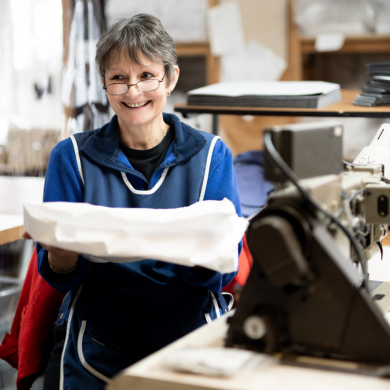
Enter Putnams, a family-run British manufacturer that has spent over 45 years designing orthopaedic back care and sleep solutions in Devon. Building upon their critically acclaimed line of NHS-recommended sleep apnoea products, we have officially launched an eco-friendly innovation: the Natural British Wool CPAP Pillow.
Let’s explore why this product launch is turning heads in the sleep health industry, the clinical need for specialised CPAP pillows, and the pros and cons of switching to a natural wool alternative.
The Science of Sleep Apnoea Compliance: Why Your Current Pillow is Failing You
To understand the necessity of a specialised CPAP pillow, we have to look at how mask displacement affects clinical outcomes. Research published by ResMed UK notes that standard fibre, feather, or solid memory foam pillows press directly against the rigid frame of CPAP, BiPAP, or APAP masks when a user rolls onto their side.
This lateral force creates two primary issues:
-
Mask Leaks: When the pillow displaces the mask seal, pressurised air escapes. This triggers machine alarms, dries out the nasal passages, and causes "blow-out" air leaks to shoot directly into the eyes, interrupting deep REM sleep cycles.
-
Postural Airway Collapse: A standard, unsupportive pillow can cause the head to tilt forward or sag awkwardly. Clinical sleep medicine specialists warn that poor neck posture can physically narrow the airway, acting like a kink in a straw, forcing the CPAP machine to work harder to overcome the obstruction. (ResMed)
A meticulously engineered CPAP pillow solves this by utilising deliberate structural cut-outs. By relieving physical pressure on the facial interface and hose, it keeps the spine aligned and the mask perfectly sealed.
See also - The Science of Snoring: Why It Happens and How to Sleep Quieter Naturally
Introducing the Putnams Natural British Wool CPAP Pillow
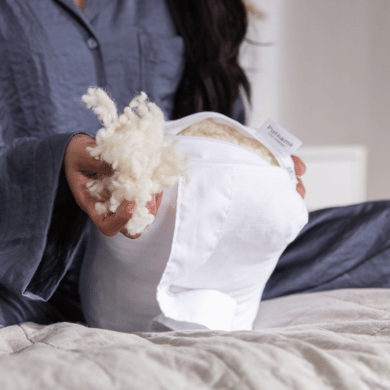
The new Putnams Wool CPAP Pillow takes the trusted, mathematically contoured shape of their original CPAP pillow and replaces synthetic fillings with premium, sustainably sourced British wool certified to OEKO-TEX Standard 100.
Handmade in Devon, UK, this pillow is explicitly designed to elevate sleep quality for those utilising respiratory aids, including CPAP, BiPAP, PEEP, and non-invasive ventilation (NIV).
Key Features at a Glance:
-
Signature Mask Cut-outs: Strategically placed indents create a dedicated void space for the mask and hose, eliminating mask-shifting when side sleeping.
-
Ergonomic Posture Support: Designed with Putnams’ core back care expertise to cradle the neck and head, maintaining neutral spinal alignment.
-
100% Traceable British Wool: Filled completely with pure, animal-welfare-ensured British wool.
-
Hypoallergenic Cotton Cover: Features a removable, hand-washable zipped cotton casing (also certified to OEKO-TEX Standard 100).
-
Dimensions: 56cm x 17cm x 30cm (22” x 6.5” x 12”).
See also - Sustainable Benefits of British Wool Bedding

Weighing the Evidence: Pros and Cons of a Wool CPAP Pillow
While sleep medicine experts from institutions like the Henry Ford Health System emphasise that "a pillow alone will not cure sleep apnea," choosing the right sleep surface acts as a vital secondary therapy to maximise comfort.
If you are considering upgrading your sleep setup, here is an honest look at the advantages and potential drawbacks of the new Putnams Wool CPAP Pillow.
The Pros (Why Wool Wins)
1. Unmatched Microclimate Regulation
Many CPAP users experience intense facial warmth and sweating due to the heat generated by the silicone mask and heated machine tubing. Synthetic foam pillows trap this heat, creating a damp, uncomfortable environment.
Wool is nature's finest performance fabric.
It features a unique cellular structure that naturally regulates temperature, keeping you cool in the summer and warm in the winter, while rapidly wicking moisture away from the face to reduce skin clamminess.
2. Naturally Clean and Hypoallergenic
Because a CPAP mask pools humidity from your breath, the surrounding pillow area can quickly become a breeding ground for dust mites, mould, and mildew. Wool is naturally resistant to dust mites and antimicrobial, offering a pristine, anti-allergy sleep environment without relying on chemical anti-dust-mite treatments.
3. Eco-Friendly and Biodegradable
For the environmentally conscious sleeper, traditional polyurethane or memory foam pillows pose a major recycling challenge at the end of their lifecycle. Putnams' wool filling is sustainable, highly renewable, and fully biodegradable at the end of its life. Furthermore, wool is naturally flame-retardant, meeting strict UK fire safety laws without the use of toxic chemical retardants.
4. Postural Stability
Unlike feather pillows that flatten completely or memory foam that can feel excessively stiff against the jawline, wool clusters offer a resilient, supportive loft. It yields comfortably to the contours of your head while firmly supporting the cervical spine to keep your airway open.
The Cons (What to Keep in Mind)
1. Not Automatically Machine Washable
Unlike entirely synthetic polyester-fibre pillows, pure British wool pillows require careful maintenance. While the 100% cotton outer cover is easily unzipped and hand-washed, the raw wool core cannot be tossed into a standard washing machine or tumble dryer without risking severe shrinking or felting.
2. Initial Setup Cost
Priced as a premium ergonomic aid, a specialised natural wool pillow represents a higher upfront financial investment than budget synthetic options found on high-street shelves.
However, considering it comes with a 1-year guarantee and directly protects the efficacy of medical equipment worth hundreds of pounds, the long-term value per sleep is exceptionally high.
3. Distinct "Natural" Feel
If you are strictly accustomed to the slow-sinking contour of dense memory foam, transitioning to a natural British wool loft will feel different initially. It offers a more traditional, springy, reactive support rather than a dense, sinking mould.
See also - The Benefits of Wool Bedding for Year-Round Comfort
Final Verdict: Is It Worth It?
If you are a side or front sleeper fighting air leaks, waking up with sore facial tissue, or struggling to stay compliant with your CPAP therapy, the answer is a resounding yes.
Here at Putnams we have masterfully married medical utility with sustainable luxury. By combining a time-tested, mask-accommodating shape with the superior thermal engineering of British wool, we have created a product that doesn’t just improve sleep comfort; it actively supports your long-term respiratory health.
Ready to transform your nightly CPAP routine?
Explore the new launch directly at CPAP Pillow Sleep Apnoea - Natural British Wool and invest in the deep, uninterrupted, restorative sleep your body deserves.
See also - Stop Snoring Naturally: Can a Bed Wedge Replace a CPAP?
FAQs


Von dem Blog
Alle anzeigen



Hinterlassen Sie einen Kommentar