

Best Cushion for Sciatica UK: How to Choose the Right Seat Cushion for Office, Car and Sofa
Quick answer: The best cushion for sciatica is a high-density foam design, 5cm to 10cm thick, that suspends or redistributes pressure away from your tailbone and sciatic nerve. Choose a coccyx cut-out cushion for office chairs and dining seats, a firm wedge for car seats, and a solid pressure-relieving design for sofas. Always pair any sciatica seat cushion UK purchase with regular movement.
If sitting down makes your sciatica worse rather than better, you're not imagining it. Sciatica happens when the sciatic nerve, which runs from your lower back to your feet, becomes irritated or compressed, and the NHS confirms that symptoms are often triggered by prolonged sitting. Lifetime incidence of sciatica is estimated at between 13% and 40% of adults, with sedentary occupations and driving flagged as specific risk factors (Academia.edu review, Overview of causes, risk factors and management of sciatica).
The good news is that choosing the right sciatica seat cushion UK retailers stock can make sitting considerably more bearable, whether you're at a desk, behind the wheel, or relaxing on the sofa. This guide walks through how cushion thickness, firmness and shape change the pressure on your sciatic nerve, compares the main cushion designs, and helps you match a cushion to your seat and situation.
How Cushion Thickness, Firmness and Shape Affect Sciatic Pressure
Not every cushion marketed for sciatica actually relieves it. Choosing the wrong design can increase nerve irritation rather than ease it.
How thick should a sciatica cushion be?
This is one of the most common questions people ask when searching for the best cushion for sciatica when sitting. As a general guide:
- Too thin (under roughly 5cm): the cushion compresses flat under body weight, leaving your sit bones resting directly on the hard seat beneath.
- Too thick: the cushion can raise your hips too high, unbalancing your posture or forcing your knees against a desk or dashboard.
- A moderate, high-density profile: provides enough depth to cushion bony pressure points without destabilising your sitting position.
Our very own Sciatica Cushion and Sero Pressure Cushion ranges offer a practical way to apply this: a 6cm option is recommended for users under roughly 95kg, while a firmer, thicker 10cm "Deluxe" version suits heavier users or anyone who prefers a firmer feel.
Firm foam versus soft foam
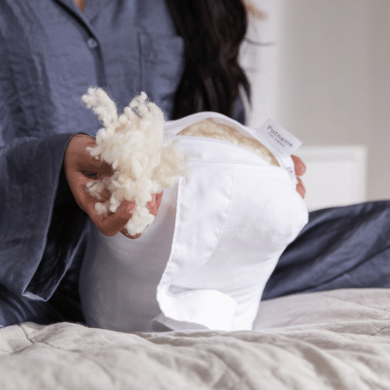
Soft, squishy cushions feel pleasant for the first few minutes, but they allow your pelvis to sink into a rounded, slouched position, which can stretch and aggravate the sciatic nerve. A pressure relief seat cushion made from high-density foam holds its shape and keeps your pelvis more level throughout the day. Our cushions use high-density, CertiPUR-certified foam with integral pockets that allow air to circulate and help the cushion keep its structure over time.
Shape and geometry
Two shapes dominate the sciatica cushion market:
- Wedge contours, angled higher at the back than the front, to tilt the pelvis slightly forward.
- Cut-out channels, typically U-shaped, designed to suspend the tailbone and the sciatic nerve pathway above the seat rather than pressing directly on it.
Cut-Out vs Solid Cushions: Which Design Should You Buy?
When shopping for a pressure relief seat cushion, you'll generally choose between a solid pressure-relieving cushion, a coccyx cut out cushion, and a posture wedge. Each suits a different kind of discomfort.
|
Feature |
Solid Pressure-Relieving Cushion |
Coccyx Cut-Out Cushion |
Posture Wedge |
|---|---|---|---|
|
Best for |
General lower back and hip soreness |
Targeted sciatic nerve or tailbone pain |
Slouch prevention on flat chairs |
|
How it works |
Spreads weight evenly across thighs and buttocks |
Suspends the coccyx and rear sciatic pathway in open air |
Tilts the pelvis forward to restore the spine's natural curve |
|
Best seating |
Armchairs, sofas, wheelchairs |
Office chairs, car seats, dining chairs |
Flat office chairs, bucket car seats |
|
Example product |
Choose a solid pressure-relieving cushion if your discomfort is diffuse across the hips and lower back. Choose a cut-out design if pain is concentrated on the tailbone or shoots directly down one leg. Choose a wedge if your main problem is slouching on a flat, unsupportive chair.
Research backs the cut-out approach for targeted relief: The clinical evidence notes that a 2024 cluster-randomised trial of 133 office workers found that a dynamic seat cushion reduced six-month low-back pain incidence from 59% to just 10%, suggesting that encouraging small postural shifts matters as much as the cushion material itself.
See also - Essential Tips for Sleeping Better with Sciatica
Choosing the Right Cushion for Your Office Chair, Car Seat or Sofa
Your seating environment changes how a cushion performs, so matching the design to your chair matters.
What's the best office chair cushion for sciatica?
Modern office chairs often have flat, thin foam that breaks down with daily use. The best office chair cushion for sciatica is typically a coccyx cut-out design, which restores a forward pelvic tilt while keeping your tailbone away from hard plastic frames. The Sero Pressure Office Cushion is sized specifically for standard desk chairs and is available with an optional cut-out.
What's the best cushion for sciatica in the car?
Car seats are a particular problem area. Bucket-style seats often slope downward at the back, tilting your knees higher than your hips and stretching the sciatic nerve. According to a cohort study on professional drivers, this seating position is directly linked to increased sciatic pain and internal spinal load. A car seat cushion for sciatica, such as a firm wedge, helps level out this slope. A randomised trial of occupational drivers with chronic low back pain found that both gel and foam cushions reduced pain, with the gel cushion group showing significantly greater improvement across 75 of 80 participants analysed.
Dining chairs and hard surfaces
Hard wooden or plastic chairs create high peak pressure on the sit bones. A medium-profile foam cushion with a cut-out acts as a shock absorber between your body and the unforgiving seat.
Sofas and deep armchairs
Soft sofas are notoriously unhelpful for sciatica, as you sink into the cushioning and your knees rise above your pelvis. A firm, solid pressure-relieving cushion restores the structure that a soft sofa lacks.

What to Check Before Buying Your Sciatica Cushion
Before you buy a sciatica seat cushion UK manufacturer sells, check these details:
- Dimensions and seat match: measure your seat pan. A cushion that's too narrow pushes your sit bones onto the outer foam edges, creating new pressure hotspots.
- Removable, washable covers: look for breathable fabric options, such as the washable navy or black jersey covers used on Putnams' cushions.
- Non-slip base: particularly important for car seats and leather office chairs.
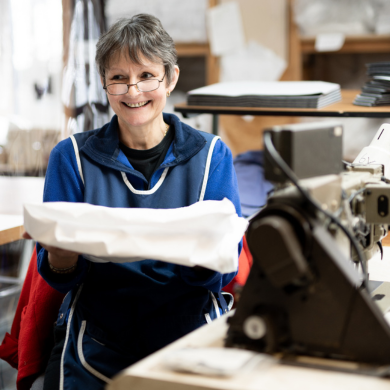
- Manufacturing quality and guarantee: imported, low-density foam flattens within weeks. Putnams cushions are handmade in Devon and backed by a guarantee.
A sciatica cushion eases the symptoms of sitting, but it doesn't treat the underlying cause. The NHS is clear that sciatica usually improves within a few weeks to a few months, and that you should carry on with normal activities and avoid sitting or lying down for long periods, even when moving feels uncomfortable.
See also - Sciatica Seat Cushions - Do They Actually Help?
The Putnams Sciatica and Pressure Relief Shortlist
Handmade in Devon since 1979, Putnams' cushions are recommended by occupational therapists and purchased by NHS trusts. Here's a quick shortlist based on your sitting situation.
|
Sitting situation |
Recommended product |
Why it works |
|---|---|---|
|
Office chair or desk work |
Sized for standard desk chairs with optional coccyx cut-out |
|
|
Driving or commuting |
Tilts the pelvis forward and suspends the tailbone; popular for car seats |
|
|
Sofa or armchair, all-day comfort |
Profiled high-density foam with integral air pockets, independently pressure mapped |
|
|
Dedicated sciatica relief, any chair |
High-density ripple foam designed specifically to redistribute weight away from the sciatic nerve |
All of these come with a washable cover and a manufacturer's guarantee, and the full range can be browsed on our Sitting Comfort collection.
Your Next Step Toward Comfortable Sitting
Finding the best cushion for sciatica comes down to matching three things: enough high-density foam to stop you bottoming out, the right shape (cut-out, wedge, or solid) for where your pain sits, and a cushion sized correctly for your chair. Combine any cushion with the NHS's advice to stay active and avoid long static sitting, and you give your sciatic nerve the best chance to settle.
If your pain hasn't improved after a few weeks of trying these changes, is getting worse, or is stopping your normal activities, see a GP for further assessment.
See also - What Is The Best Pressure Relief Cushion?
Frequently Asked Questions
What is the best cushion for sciatica when sitting?
A high-density foam cushion with a coccyx cut-out generally works best for sciatica, as it suspends the tailbone and sciatic nerve pathway rather than pressing on them directly.
How thick should a sciatica cushion be?
Most people do well with a cushion around 6cm thick if they weigh under roughly 95kg, moving up to a firmer 10cm option for heavier users or those who prefer extra firmness.
Can a cushion cure my sciatica?
No. A cushion eases the discomfort of sitting but doesn't address the underlying cause. The NHS advises staying active rather than resting for long periods.
Is a coccyx cut-out cushion better than a solid cushion for sciatica?
It depends on where your pain is concentrated. A cut-out suits targeted tailbone or nerve pain, while a solid pressure-relieving cushion suits more general hip and lower back discomfort.
What's the best cushion for sciatica in the car?
A firm wedge cushion that levels out the backward slope of a bucket car seat, helping keep your hips above your knees and reducing sciatic nerve stretch.
How long does it take for a sciatica cushion to help?
Some users notice a difference within a few days; for others, it takes a couple of weeks of consistent use.


Von dem Blog
Alle anzeigen



Hinterlassen Sie einen Kommentar