

Coccyx Pain While Sitting and Sleeping: Why Tailbone Pressure Builds Up
Quick answer: Tailbone pain sitting occurs because prolonged compression forces your coccyx against hard surfaces, restricting blood flow and causing inflammation. To find lasting coccyx pain relief, health experts recommend using a tailbone support cushion with a U-shaped cut-out during the day and adopting side-sleeping postures at night.
You finish a long shift at the office or complete a lengthy drive, looking forward to a restful evening. You transition from your office chair to the sofa, only to feel a sharp, aching sensation radiating from the base of your spine. By the time you finally lie down in bed, that dull ache has escalated into a persistent throb that makes sleep nearly impossible.
For office workers, long-haul drivers, pregnant women, and adults recovering from surgery, this cycle of daytime pressure and nighttime discomfort is a frustrating reality. According to a recent 2025 Pressat survey, 51% of UK office workers experience back pain when sitting at their workstations. When your job or lifestyle demands prolonged periods in a chair, your tailbone bears the brunt of your body weight.
Over time, this continuous loading inflames the surrounding tissues, leading to lingering discomfort that flares up just when you want to rest.
This guide explains exactly how daily compression translates into sleepless nights. You will discover the physical mechanics behind your discomfort and learn practical, doctor-recommended strategies to protect your spine. By making simple adjustments to your routine and seating environment, you can finally break the cycle of pain and reclaim your rest.
Why does my tailbone hurt when sitting for long periods?
The coccyx is a small, triangular structure at the very bottom of your vertebral column. While small, the coccyx plays a massive role in supporting your weight while seated.
In a balanced sitting posture, approximately 18% of your body weight is distributed directly over the coccygeal region (National Library of Medicine, 2007). Your body's weight is typically supported by a "tripod" formed by the two ischial tuberosities (your sit bones) and the coccyx. Prolonged sitting on hard or unsupportive surfaces puts direct, vertical pressure on this sensitive area can cause tailbone (coccyx) pain.
This continuous loading restricts blood flow to the tailbone region. This localised reduction in circulation starves the tissues of oxygen and prevents your body from clearing out inflammatory byproducts. Once you finally lie down in bed, the sudden release of pressure allows blood to rush back into the inflamed tissues. This rapid return of circulation creates the throbbing sensation associated with sleeping with coccyx pain.
Data shows that tailbone discomfort heavily impacts specific demographics. Coccydynia is five times more common in women than in men, frequently due to anatomical differences and trauma during childbirth (Science Direct).
See also - What Is The Best Pressure Relief Cushion?
What is the link between poor sitting posture and coccyx pain?
Your sitting angle dictates exactly how much pressure your tailbone endures. Leaning backward or slouching in your chair shifts a disproportionate amount of your body weight directly onto this small bone.
When you lose the natural inward curve of your lower back, your weight shifts directly from the durable sit bones onto the sensitive coccyx. This continuous "micro-trauma" forces the coccyx against the hard surface of your chair, irritating the bone and the sensitive tissues attached to it.
|
Sitting Position |
Physiological Effect |
Night-Time Consequence |
|---|---|---|
|
Prolonged slouching |
Shifts weight directly onto the coccyx |
Deep bone bruising and lingering tenderness |
|
Hard seating surfaces |
Restricts local blood flow (ischemia) |
Throbbing pain as circulation suddenly returns in bed |
|
Lack of movement |
Pelvic floor muscle fatigue and tension |
Night-time muscle spasms and seat pressure discomfort |
What is the best sleep position for coccyx pain relief?
Going to bed at night with an inflamed tailbone can be a tough task.
Your sleeping posture is rarely the root cause of the injury, but unhealthy sleeping habits will rapidly worsen an existing problem.
Health professionals recommend side-sleeping as the best sleep position for coccyx pain. Sleeping on your side with a pillow between your knees helps align your hips. Proper pelvic positioning sleep alignments ensure that your pelvic muscles do not pull on the coccyx during the night.
Sleeping on your back can be problematic because it places direct pressure on the inflamed area. If you must sleep on your back, place a wedge pillow under your knees. This slight elevation tilts the pelvis and reduces coccygeal contact with the mattress, providing much-needed pressure relief coccyx support.
See also - The Best Office Chair Cushions for Posture
How can Putnams pressure relief cushions reduce tailbone strain?
The most effective way to eliminate nighttime flare-ups is to address the root cause during the day. Standard office chairs and car seats lack the necessary cut-outs to protect the base of your spine. Investing in a premium, handmade tailbone support cushion can drastically alter your daily comfort.
Choose the Putnams Sero Pressure Cushion if long-duration sitting matters more than correcting a severe slouch. The Sero Pressure Cushion features an ergonomic U-shaped cut-out that suspends the tailbone in mid-air. This design ensures 100% pressure relief for the bone itself. Clinical trials show that patients strongly prefer cut-out designs; one study found that 35% of patients preferred wedge cushions with a coccyx cutout, whereas only 7% preferred traditional donut cushions (Foye PM, 2017).
Choose the Putnams Coccyx Wedge if you need to actively correct slumped posture while easing pain. The 8-degree or 11-degree sitting wedges subtly tilt your pelvis forward. This tilt restores the natural curve in your lower back, redistributing your weight onto your thighs and sit bones while entirely offloading the coccyx.
11° Degree Sitting Wedge (3¾") Coccyx Cut Out - "This has made a real difference for the tail bone pain I had been experiencing. Since using one on both my work chairs (one at home one at the office) I no longer have the pain. It also helps with my posture-which has always been a struggle. But these make it easier. I use the 11 degree at home since my chair is less sturdy than at the office where I use the 8 degree." – Julia W.
How to relieve tailbone pain naturally for long-term comfort
Ignoring daily tailbone pressure will inevitably lead to disrupted, painful nights. Upgrading your chair with a dedicated pressure-relief product from ourselves at Putnams is the simplest, most effective step you can take today.
By understanding how to relieve tailbone pain naturally through posture correction, targeted cushioning, and proper sleep positioning, you can protect your spinal health. Support your spine during the day with ethically crafted, British-made comfort solutions, and enjoy the restful, pain-free sleep you deserve at night.
See also - Coccyx Pain When Sitting: Why Pressure Ruins Your Sleep

Frequently Asked Questions (FAQ)
How much does a high-quality tailbone cushion cost?
A premium, British-made coccyx cushion from ourselves at Putnams typically ranges from £48 to £150, depending on the materials (such as standard foam versus memory foam) and the specific design features required for your body.
How long does it take to see results from using a posture cushion?
Many users experience immediate relief from sharp pressure pain the first time they sit on a cut-out cushion. However, reducing deep tissue inflammation and breaking the cycle of nighttime throbbing usually takes one to two weeks of consistent daily use.
Are there any risks to using a wedge pillow for sleeping?
Using a bed wedge pillow is very safe, provided you use the correct incline. A wedge that is too steep may cause you to slide down during the night, leading to poor spinal alignment. Opt for a gentle incline (around 30 degrees) and use a standard pillow to support your neck.
What are the alternatives to memory foam for pressure relief?
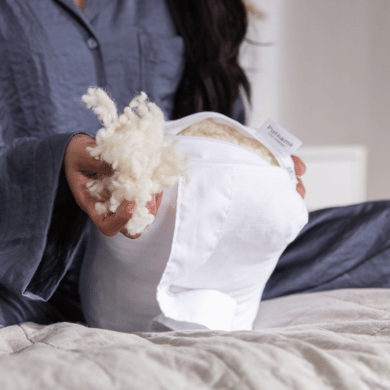
If you prefer natural materials over memory foam, Putnams offers eco-conscious alternatives like British wool pillows and organic buckwheat hull pillows. These sustainable materials provide excellent temperature regulation and firm, mouldable support.
Who is a coccyx cut-out cushion best suited for?
A coccyx cut-out cushion is ideal for office workers, long-haul drivers, pregnant women, and individuals recovering from pelvic surgery or tailbone injuries. It is specifically designed for anyone who experiences localised pain at the base of the spine after sitting for more than 20 minutes.


Von dem Blog
Alle anzeigen




Hinterlassen Sie einen Kommentar