

Ausschlafen am Wochenende vs. Schlafdefizit: Was Matthew Walker tatsächlich empfiehlt
Der Wecker klingelt angenehm. Es ist Samstagmorgen, und endlich holst du den Schlaf nach, den du die ganze Woche über verpasst hast. Dieses gängige Ritual des Ausschlafens am Wochenende fühlt sich an wie ein notwendiger Neustart. Aber funktioniert es wirklich? Kannst du dein Schlafdefizit tatsächlich ausgleichen, oder gaukelst du dir nur vor, besser zu sein? Der Neurowissenschaftler und Autor von „Warum wir schlafen“, Matthew Walker , hat dazu einiges zu sagen. Als Direktor des Zentrums für Schlafforschung an der Universität von Kalifornien, Berkeley, zählt Walker zu den bekanntesten und angesehensten Schlafexperten.
Seine Forschung bietet eine klare und mitunter überraschende Perspektive auf den Schlaf. Lassen Sie uns die wissenschaftlichen Grundlagen von Matthew Walkers Schlafempfehlungen untersuchen , den Mythos des „Nachholens“ entkräften und aufzeigen, wie man wirklich erholsamen Schlaf erreicht.
Was genau ist Schlafdefizit?
Schlafdefizit oder Schlafdefizit ist die kumulative Wirkung von zu wenig Schlaf.
Man kann es sich wie eine finanzielle Schuld vorstellen. Wenn man regelmäßig mehr ausgibt, als man verdient, häuft man Schulden an, die zurückgezahlt werden müssen.
Wenn Sie regelmäßig weniger Schlaf bekommen, als Ihr Körper benötigt (in der Regel 7-9 Stunden für Erwachsene), entsteht ein Schlafdefizit .
Walker unterscheidet zwischen zwei Typen:
- Akuter Schlafmangel: Dies ist ein kurzfristiger Schlafverlust, beispielsweise aufgrund von ein oder zwei durchwachten Nächten. Sie fühlen sich möglicherweise benommen, gereizt und weniger konzentriert.
- Chronisches Schlafdefizit: Dies ist die Folge davon, dass man über Wochen, Monate oder sogar Jahre hinweg regelmäßig weniger schläft, als man benötigt. Die Folgen sind weitaus gravierender und beeinträchtigen das Immunsystem, die kognitiven Fähigkeiten, den Stoffwechsel und die emotionale Regulation.
Das Hauptproblem besteht darin, dass man die Auswirkungen akuten Schlafmangels zwar sofort spürt, chronischer Schlafmangel aber zur neuen „Normalität“ werden kann. Man merkt möglicherweise gar nicht, wie übermüdet man ist, weil der eigene Ruhepegel so stark gesunken ist.
„Wer regelmäßig weniger als sechs oder sieben Stunden pro Nacht schläft, schwächt sein Immunsystem und verdoppelt sein Krebsrisiko.“ Warum wir schlafen: Die Kraft des Schlafs und der Träume)
Hilft Ausschlafen am Wochenende tatsächlich?
Und hier kommt der Teil, der die meisten Leute interessiert: Kann man versäumten Schlaf nachholen ? Nach den Prinzipien der Schlafwissenschaft von Matthew Walker ist die Antwort kompliziert.
Ausschlafen am Wochenende kann helfen, ein akutes Schlafdefizit etwas auszugleichen . Wer unter der Woche ein paar Stunden Schlaf verpasst hat, kann durch ein oder zwei zusätzliche Stunden Schlaf am Samstag und Sonntag einige kognitive Funktionen wiederherstellen. Eine vollständige Lösung ist dies jedoch nicht.
Walkers Forschungsergebnisse zeigen, dass selbst nach einem Wochenende mit „Erholungsschlaf“ noch einige Defizite bestehen.
Zu den wichtigsten Bereichen, die sich nicht vollständig erholen, gehören:
- Aufmerksamkeit und Konzentration: Ihre Fähigkeit, die Konzentration aufrechtzuerhalten, ist weiterhin beeinträchtigt.
- Emotionsregulation: Möglicherweise sind Sie weiterhin anfälliger für Stimmungsschwankungen und Reizbarkeit.
- Funktion des Immunsystems: Die Abwehrkräfte Ihres Körpers erholen sich nicht vollständig, wodurch Sie anfälliger für Krankheiten werden.
Hilft also Überschlafen bei der Genesung?
Nur teilweise.
Um die Analogie fortzuführen: Ausschlafen am Wochenende ist wie die Zahlung des Mindestbetrags auf eine hohe Kreditkartenrechnung; es verhindert eine unmittelbare Katastrophe, löst aber nicht die zugrunde liegende Schuld.
Es kann die Folgen chronischen Schlafmangels nicht rückgängig machen.
Siehe auch – Kann man wirklich Schlaf nachholen? Der Mythos vom Ausschlafen am Wochenende.
Die Grenzen des „Nachholens“ von Schlaf
Die Vorstellung, Schlaf anzusparen oder ihn an einem Wochenende vollständig zurückzuzahlen, ist ein Mythos. Matthew Walker erklärt, dass Schlaf nicht wie eine Bank ist. Man kann nicht riesige Schulden anhäufen und sie dann ohne Folgen auf einmal zurückzahlen.
Studien zeigen, dass es mehr als eine Woche regelmäßigen, gesunden Schlafs dauern kann, um sich von nur wenigen Tagen mit erheblichem Schlafmangel zu erholen. Bei chronischem Schlafmangel ist die Erholungsphase sogar noch länger, und manche Schäden an der kognitiven und körperlichen Gesundheit sind möglicherweise nicht vollständig reversibel.
Langes Ausschlafen am Wochenende kann Ihren Schlaf-Wach-Rhythmus stören und Ihre innere Uhr (Ihren zirkadianen Rhythmus) durcheinanderbringen. Dies kann zu einem sogenannten „sozialen Jetlag“ führen, bei dem Sie sich am Montagmorgen benommen und desorientiert fühlen, was es Ihnen zusätzlich erschwert, wieder in einen gesunden Rhythmus zu finden.
Die Frage ist dann, wie man die Schlafrhythmusstörungen beheben kann, die durch ebendiese "Lösung" entstanden sind.
Siehe auch – Gesunder aufwachen: 12 unerwartete Vorteile von ausreichend Schlaf
Wissenschaftlich fundierte Methoden zur Behebung von Schlafdefiziten
Statt sich auf das Nachholen von Schlaf am Wochenende zu verlassen, ist es viel besser, auf einen regelmäßigen Schlafrhythmus zu achten. Dies ist eine der zentralen Schlafempfehlungen von Matthew Walker . Regelmäßigkeit ist entscheidend. Jeden Tag zur gleichen Zeit ins Bett zu gehen und aufzustehen, auch am Wochenende, ist der effektivste Weg, die Schlafqualität zu verbessern und Schlafdefizite von vornherein zu vermeiden.
Hier sind einige praktische Tipps aus der Schlafwissenschaft zur echten Behebung und Aufrechterhaltung eines Schlafdefizits :
- Halten Sie einen festen Rhythmus ein: Gehen Sie jeden Tag innerhalb desselben 30-Minuten-Fensters ins Bett und stehen Sie auf. Ja, das gilt auch für Samstage und Sonntage. Dadurch stabilisiert sich Ihr zirkadianer Rhythmus und Sie können leichter ein- und aufwachen.
- Streben Sie 7–9 Stunden Schlaf an: Achten Sie darauf, jede Nacht die für Ihre Altersgruppe empfohlene Schlafdauer zu erreichen. Betrachten Sie Schlaf als einen unverzichtbaren Gesundheitstermin.
- Schaffen Sie sich eine Entspannungsroutine: Widmen Sie die letzten 30 bis 60 Minuten vor dem Schlafengehen entspannenden Aktivitäten. Dazu gehören beispielsweise Lesen, sanfte Dehnübungen, Meditation oder ein warmes Bad. Vermeiden Sie Bildschirme, da das blaue Licht die Melatoninproduktion hemmen kann.
- Optimieren Sie Ihre Schlafumgebung: Ihr Schlafzimmer sollte ein Ort der Ruhe und Erholung sein. Es sollte kühl, dunkel und ruhig sein.
Produkte, die einen regelmäßigen, erholsamen Schlaf unterstützen
Die Schaffung der richtigen Umgebung ist entscheidend für die Aufrechterhaltung eines gesunden Schlafrhythmus.
Die Qualität Ihrer Schlafumgebung beeinflusst direkt Ihre Fähigkeit, ein- und durchzuschlafen, was für die Vorbeugung von Schlafdefiziten unerlässlich ist .

Eine angenehme und komfortable Umgebung signalisiert Ihrem Körper, dass es Zeit für erholsamen Schlaf ist. Hier kann die Investition in hochwertige Schlafprodukte einen entscheidenden Unterschied machen.
- Ergonomische Kissen: Die richtige Ausrichtung von Kopf und Nacken ist entscheidend. Ein ergonomisches Kissen unterstützt die natürliche Krümmung Ihrer Wirbelsäule und beugt so Schmerzen und Beschwerden vor, die Ihren Schlaf stören können. Dadurch wachen Sie erholt und nicht mit einem steifen Nacken auf.
- Stützende Matratzen und Matratzenauflagen: Eine Matratze, die nicht ausreichend stützt, kann zu unruhigem Schlaf und Rückenschmerzen führen. Eine stützende Matratze hingegen hilft, die ganze Nacht über eine korrekte Körperhaltung beizubehalten und trägt so zu einem tieferen, ungestörteren Schlaf bei.
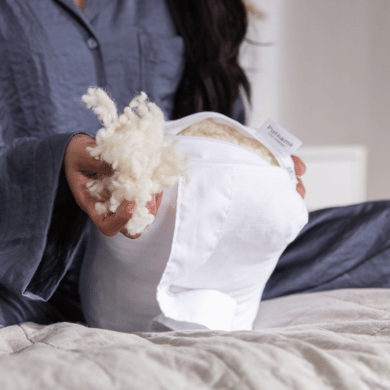
- Atmungsaktive Bettwäsche: Überhitzung ist eine häufige Ursache für Schlafstörungen. Atmungsaktive Materialien wie hochwertige britische Wolle oder Bio-Buchweizenschalen helfen, Ihre Körpertemperatur zu regulieren und sorgen dafür, dass Sie die ganze Nacht über kühl und komfortabel schlafen.
- Produkte zur Erhöhung des Oberkörpers: Für Menschen mit Beschwerden wie Sodbrennen, Schnarchen oder Schlafapnoe können Keilkissen und Kissen zur Erhöhung des Oberkörpers eine echte Erleichterung sein. Durch die sanfte Anhebung des Oberkörpers können sie Symptome lindern und die Schlafqualität deutlich verbessern, sodass Sie die nötige, erholsame Ruhe finden.
Mit Produkten von Putnams investieren Sie in Ihre Schlafumgebung und kaufen nicht nur ein Kissen oder eine Matratze, sondern investieren in Ihre langfristige Gesundheit, indem Sie einen beständigen, erholsamen Schlaf zur Realität machen.
Siehe auch – Die Kunst des erholsamen Schlafs meistern: Wie Sie in 8 einfachen Schritten besser schlafen
Matthew Walker: Häufig gestellte Fragen zum Thema Schlaf
-
Welche Nahrungsergänzungsmittel empfiehlt Dr. Matt Walker für einen besseren Schlaf?
Matthew Walker rät generell von der Einnahme von Schlafmitteln, einschließlich Melatonin, ab. Er erklärt, dass die Nahrungsergänzungsmittelindustrie weitgehend unreguliert sei und die Dosierung vieler handelsüblicher Melatoninprodukte ungenau sein könne. Er betont, dass Nahrungsergänzungsmittel nicht denselben natürlichen Schlaf wie das körpereigene Melatonin bewirken und empfiehlt stattdessen, sich auf Verhaltensänderungen für besseren Schlaf zu konzentrieren. ( #12 Melatonin-Podcast )
2. Welche Schlaftipps empfiehlt Dr. Matthew Walker?
Matthew Walker gibt einige wichtige Schlaftipps.
Zu seinen wichtigsten Empfehlungen gehören die Einhaltung eines regelmäßigen Schlafrhythmus (täglich zur gleichen Zeit ins Bett gehen und aufstehen), ein kühles Schlafzimmer, eine dunkle und ruhige Umgebung sowie der Verzicht auf Koffein, Alkohol und große Mahlzeiten kurz vor dem Schlafengehen.
Er schlägt außerdem vor, vor dem Schlafengehen eine entspannende Abschaltroutine einzuführen.
3. Welche Empfehlung gibt Dr. Walker bezüglich eines regelmäßigen Schlafrhythmus?
Regelmäßiger Schlaf ist eine der wichtigsten Empfehlungen von Matthew Walker.
Er rät dazu, jeden Tag, auch am Wochenende, zur gleichen Zeit ins Bett zu gehen und aufzustehen. Er nennt dies „Schlafverankerung“. Diese Praxis hilft, die innere Uhr, den sogenannten zirkadianen Rhythmus, zu stabilisieren und so das Ein- und Durchschlafen zu erleichtern, was die Schlafqualität insgesamt verbessert.
4. Wie viel Schlaf empfiehlt Matthew Walker?
Auf Grundlage umfangreicher wissenschaftlicher Erkenntnisse empfiehlt Matthew Walker Erwachsenen durchschnittlich 7 bis 9 Stunden Schlaf pro Nacht. Er betont, dass dauerhaft weniger als 7 Stunden Schlaf zu einem kumulativen „Schlafdefizit“ führen können, das mit Beeinträchtigungen der kognitiven Funktionen, der Immunabwehr und einem erhöhten Risiko für verschiedene chronische Erkrankungen in Verbindung gebracht wird.
Letztendlich mag das Ausschlafen am Wochenende zwar im Moment gut tun, ist aber nur ein vorübergehender Trost für ein tieferliegendes Problem.
Der Schlüssel zu einem nachhaltigen Schlafdefizit liegt in der Kontinuität. Indem Sie diese wissenschaftlichen Tipps zum Thema Schlaf befolgen und eine schlaffördernde Umgebung schaffen, können Sie den Kreislauf von Schlafmangel und Erholung durchbrechen und jeden Tag die tiefgreifenden Vorteile eines wirklich erholsamen Schlafs genießen.
Entdecken Sie das Putnams Sleep Comfort Sortiment und beginnen Sie noch heute mit kleinen Veränderungen!
„Erwachsene ab 45 Jahren, die weniger als sechs Stunden pro Nacht schlafen, haben ein um 200 Prozent höheres Risiko, im Laufe ihres Lebens einen Herzinfarkt oder Schlaganfall zu erleiden, verglichen mit denen, die sieben bis acht Stunden pro Nacht schlafen.“ Warum wir schlafen: Die neue Wissenschaft von Schlaf und Träumen)


Von dem Blog
Alle anzeigen




Hinterlassen Sie einen Kommentar