

Die Psychologie des Wohlbefindens: Warum sich Sicherheit positiv auf den Schlaf auswirkt
Nach einem langen Tag sind Sie körperlich völlig erschöpft, doch sobald Sie den Kopf aufs Kissen legen, kreisen Ihre Gedanken unaufhörlich. Sie denken nicht nur, Ihr Körper fühlt sich hellwach und wach an, und Sie können einfach nicht einschlafen. Wenn Ihnen das bekannt vorkommt, sind Sie nicht allein. Laut Daten des britischen Gesundheitsdienstes NHS leidet bis zu jeder dritte Mensch in Großbritannien unter Schlaflosigkeit oder Schlafstörungen.
Wir machen oft Koffein, Bildschirme oder eine hohe Arbeitsbelastung für unsere Schlaflosigkeit verantwortlich.
Ein entscheidender, oft übersehener Faktor bestimmt jedoch die Qualität Ihres Schlafs: die Komfortschlafpsychologie .
Für Ihr Gehirn bedeutet Komfort mehr als nur hochwertige Bettwäsche oder eine weiche Matratze. Er ist ein biologisches Signal für Sicherheit. Wenn Sie sich körperlich geborgen und emotional sicher fühlen, signalisiert Ihr Gehirn Ihrem Nervensystem, dass es zur Ruhe kommen kann.
Hier ist die wissenschaftliche Erklärung dafür, warum das Gefühl der Sicherheit der Schlüssel zu tiefem, erholsamem Schlaf ist.
Wie das Gehirn Komfort interpretiert
Um zu verstehen, warum Komfort beim Einschlafen hilft , müssen wir uns das „Bedrohungserkennungszentrum“ des Gehirns ansehen: die Amygdala.
Die Aufgabe der Amygdala ist es, dich am Leben zu erhalten.
Es scannt ständig die Umgebung nach Bedrohungen. In der freien Natur könnte eine Bedrohung ein Raubtier sein. Im modernen Schlafzimmer ist eine „Bedrohung“ alles, was Unbehagen oder Unsicherheit auslöst:
- Eine unebene Matratze, die zu einer Fehlstellung der Wirbelsäule führt.
- Ein Zimmer, das entweder zu kalt oder zu heiß ist.
- Plötzliche, unvorhersehbare Geräusche.
- Chronische Schmerzen oder körperliche Verspannungen.
Wenn Sie sich unwohl fühlen, bleibt Ihr Gehirn in einem Zustand geringer Wachsamkeit.
Es hält das „Kampf-oder-Flucht“-System (das sympathische Nervensystem ) aktiv und überschwemmt den Körper mit Cortisol und Adrenalin. Dieses biologische Alarmsystem macht einen erholsamen Schlaf unmöglich, da das Gehirn annimmt, man müsse wach bleiben, um zu überleben.
Siehe auch – Die Wissenschaft des Schlafs: Wie das Verständnis Ihres Schlafzyklus Ihre Gesundheit verbessern kann
Sicherheitssignale und Schlaftiefe
Wahre Erholung tritt ein, wenn wir vom sympathischen Nervensystem zum parasympathischen Nervensystem (PSNS) umschalten. wird oft als „Ruhe- und Verdauungszustand“ bezeichnet.
Dieser Schalter ist das Tor zum Tiefschlaf-Nervensystem .
Wenn das parasympathische Nervensystem überwiegt, verlangsamt sich der Herzschlag, die Muskeln entspannen sich und der Körper konzentriert sich auf die Zellreparatur und die Wiederherstellung der Energie.
Die Schaffung einer sicheren Schlafumgebung ist der effektivste Weg, diesen Schalter umzulegen. Dies wird als „ Neurozeption “ bezeichnet, der unbewusste Prozess, bei dem Ihr Nervensystem Risiken bewertet. Wenn sich Ihr Körper geborgen, warm und schmerzfrei anfühlt, sendet er ein „Sicherheitssignal“ an das Gehirn, wodurch Sie vom leichten Dösen in tiefe, erholsame Schlafphasen übergehen können.

Sensorische Reize: Die Wissenschaft des Sicherheitsgefühls
Wie wirkt sich das Gefühl von Sicherheit konkret auf den Schlaf aus?
Es kommt auf spezifische Sinnesreize an. Durch die Optimierung von Druck, Temperatur und Unterstützung können Sie Ihr Schlafnervensystem beeinflussen – einfach erklärt:
1. Tiefendruckstimulation
Vielleicht ist Ihnen schon aufgefallen, dass Umarmungen und festes Zudecken beruhigend wirken. Dies ist auf die Tiefendruckstimulation (DPS) zurückzuführen. Sanftes, gleichmäßig verteiltes Gewicht auf dem Körper erhöht die Produktion von Serotonin (einem Stimmungsstabilisator) und Melatonin (dem Schlafhormon) und reduziert gleichzeitig Cortisol (das Stresshormon).
Eine im „ Journal of Clinical Sleep Medicine“ (2020) veröffentlichte Studie ergab, dass die Verwendung einer Gewichtsdecke die Schwere von Schlaflosigkeit deutlich verringerte und die Aktivität am Tag bei Patienten mit psychiatrischen Erkrankungen steigerte. Das Gefühl ahmt das Gefühl des Geborgenseins nach, das vom Gehirn als körperliche Sicherheit interpretiert wird.
2. Wärmeregulierung
Die Temperatur ist ein enorm wichtiger Sicherheitsfaktor.
Eine in Sleep Medicine Reviews (2019) besprochene Studie ergab, dass eine „passive Erwärmung des Körpers durch Wasser“, im Wesentlichen ein warmes Bad oder eine Dusche von 40-42,5 °C, die 1-2 Stunden vor dem Schlafengehen eingenommen wird, die Einschlafzeit (Schlaflatenz) um etwa 36 % verkürzen kann .
Die rasche Abkühlung des Körpers nach dem Verlassen eines warmen Bades ahmt den natürlichen Abfall der Körpertemperatur nach, der beim Schlafen auftritt, und signalisiert der inneren Uhr, dass es nun sicher ist, sich auszuruhen.
3. Körperliche Unterstützung und Ausrichtung der Wirbelsäule
Schmerz ist ein deutliches Warnsignal an das Gehirn.
Bei einer verspannten Nackenmuskulatur oder unzureichender Unterstützung des unteren Rückens kann sich das Nervensystem nicht vollständig entspannen. Daher ist die Investition in eine korrekte Haltungsunterstützung eine Investition in Ihre Stoffwechselgesundheit und Ihr Energieniveau.
Bei Putnams arbeiten wir seit über 40 Jahren an der Perfektionierung von Komfortlösungen .
- Das Putnam-Kissen : Von Chiropraktikern empfohlen, stützt es den Nacken und sorgt für eine optimale Ausrichtung der Wirbelsäule. Eine neutrale Wirbelsäulenposition reduziert Stresssignale der Muskulatur an das Gehirn und fördert so den parasympathischen Schlaf .
- Ripple Matratzenauflagen : Diese Noppenschaumauflagen reduzieren den Druck auf wichtige Punkte wie Hüfte und Schultern und verhindern so das unruhige Hin- und Herwälzen, das den Schlafzyklus unterbricht.
Siehe auch – Der ultimative Leitfaden für besseren Schlaf mit der Putnams Comfort-Produktreihe
Gestaltung einer beruhigenden Schlafumgebung
Wer den Zusammenhang zwischen Schlaf und Geborgenheit versteht , kann ein Schlafzimmer gestalten, das aktiv zur Ruhe beiträgt. Ein chaotisches oder ungemütliches Zimmer signalisiert dem Gehirn „Chaos“, während ein vorhersehbares, beruhigendes Zimmer „Zuflucht“ vermittelt.
Hier sind vier Möglichkeiten, eine Schlafumgebung zu schaffen, die den Prinzipien der Schlafpsychologie und des Komforts Priorität einräumt:
- Schaffen Sie Vorhersehbarkeit: Das Gehirn liebt Routinen. Jeden Abend zur gleichen Zeit ins Bett zu gehen und das gleiche Ritual zu befolgen (z. B. Lesen oder Dehnen), signalisiert, dass die Umgebung sicher und vorhersehbar ist.
- Licht kontrollieren: Dunkelheit regt die Melatoninproduktion an. Sorgen Sie für Dunkelheit im Raum oder verwenden Sie eine Schlafmaske. Selbst kleine Standby-Leuchten von elektronischen Geräten können vom Gehirn als Alarmsignale interpretiert werden.
- Investieren Sie in Komfort in medizinischer Qualität: Geben Sie sich nicht mit flachen Kissen zufrieden. Produkte wie die Putnams Nackenrolle bieten deutliche Vorteile. Kniekissen dienen der Entlastung des Körpers. Als Lieferant des britischen Gesundheitsdienstes NHS seit über 40 Jahren wissen wir, dass medizinische Unterstützung zu besserer Erholung führt .
- Räumen Sie Ihre Räume auf: Ein unordentliches Zimmer kann den Cortisolspiegel erhöhen. Ein aufgeräumter Raum reduziert visuelle Reize und hilft dem Geist, schneller zur Ruhe zu kommen.
Siehe auch – Achtsame Schlafpraktiken statt Perfektion
Der Zusammenhang zwischen Sicherheit und Energie
Für aktive Erwachsene im Alter von 30 bis 65 Jahren ist Schlaf die Grundlage für ein ausgeglichenes Energieniveau.
Wer in einem Zustand der „Bedrohung“ schläft (sich unruhig hin und her wälzt oder körperliches Unbehagen verspürt), wacht mit einem hohen Cortisolspiegel auf, was später am Tag zu einem Energieabfall und Heißhunger auf Süßes führt.
Indem Sie Komfort priorisieren, verwöhnen Sie sich nicht selbstsüchtig. Sie kümmern sich aktiv um Ihre Stoffwechselgesundheit. Tiefer, erholsamer Schlaf reguliert die Hungerhormone Ghrelin und Leptin und sorgt dafür, dass Sie die nötige Energie für Beruf, Familie und einen aktiven Lebensstil haben.
Siehe auch – Die Cortisolkurve: Warum Ihre Stresshormone zum falschen Zeitpunkt ihren Höhepunkt erreichen

Häufig gestellte Fragen zur Schlafpsychologie für erholsamen Schlaf
Welche psychologischen Hintergründe hat das Gefühl von Sicherheit?
Ein sicheres Schlafgefühl entsteht psychologisch durch die Aktivierung des parasympathischen Nervensystems im Gehirn, was Entspannung und Erholung ermöglicht. Wenn der Körper Sicherheit wahrnimmt, sinkt der Spiegel von Stresshormonen wie Cortisol, was Ruhe und emotionale Geborgenheit fördert – beides ist essenziell für das allgemeine Wohlbefinden.
Wie kann ich tiefer schlafen?
Für einen tieferen Schlaf sollten Sie einen regelmäßigen Schlafrhythmus einhalten, für eine dunkle und ruhige Umgebung sorgen und den Konsum von Stimulanzien wie Koffein vor dem Schlafengehen einschränken. Komfort, beispielsweise durch eine stützende Matratze und beruhigende Abendrituale, signalisiert dem Körper, sich zu entspannen und fördert einen erholsamen Schlaf.
Wie beeinflusst Komfort den Schlaf?
Komfort wirkt sich direkt auf die Schlafqualität aus, indem er körperliche Ablenkungen wie Schmerzen oder Unruhe reduziert. Eine angenehme Umgebung hilft dem Körper, sich zu entspannen und in tiefere Schlafphasen zu gelangen, die für den Hormonhaushalt und die Regeneration entscheidend sind.
Was ist die Psychologie des Wohlbefindens?
Die Psychologie des Wohlbefindens dreht sich darum, Bedingungen zu schaffen, die dem Gehirn Sicherheit und Entspannung signalisieren. Körperliches und seelisches Wohlbefinden reduzieren Stress, verstärken positive Gefühle und unterstützen die geistige und körperliche Erholung, wodurch ein ausgeglichener Zustand des Wohlbefindens gefördert wird.
Schlafkomfort ist eine Notwendigkeit, kein Luxus!
Schlaf ist ein sensibler Zustand. Um vollständig zu schlafen, muss sich Ihr Körper sicher fühlen. Indem Sie die Neurowissenschaft des Wohlbefindens verstehen – wie Druck, Temperatur und körperliche Unterstützung das Nervensystem beeinflussen –, können Sie Ihre Schlafqualität verbessern.
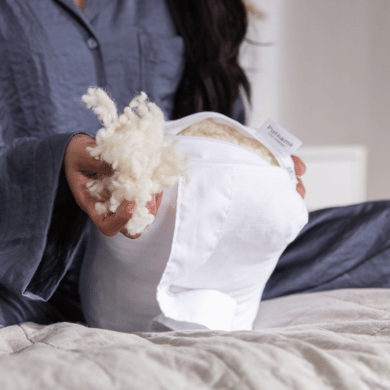
Es ist an der Zeit, Komfort nicht länger als Luxus, sondern als gesundheitliche Notwendigkeit zu betrachten. Ob Sie nun auf ein britisches Wollkissen für eine bessere Temperaturregulierung umsteigen oder ein Keilkissen verwenden , um Sodbrennen zu lindern – das richtige Stützsystem wirkt wie ein sicherer Anker für Ihr Gehirn.
Sind Sie bereit, Ihre Komfortlösung zu finden?
Seit 1979 hilft Putnams Menschen dabei, den erholsamen Schlaf zu finden, den sie verdienen. Entdecken Sie unser Sortiment an in Großbritannien hergestellten, medizinisch empfohlenen Kissen und Stützen und beginnen Sie Ihre Reise zu einem tieferen, gesünderen Schlaf.


Von dem Blog
Alle anzeigen




Hinterlassen Sie einen Kommentar