

Mouth Taping for Sleep: Trendy Hack or Real Health Benefit?
Quick answer: Mouth taping for sleep involves placing porous, skin-safe tape over the lips to force nasal breathing sleep. While small clinical studies indicate it may reduce snoring naturally for individuals with mild sleep apnoea, it carries significant suffocation risks for those with nasal congestion. Health professionals recommend exploring structural support alternatives, like bed wedge pillows, before taping.
Waking up with a severely dry mouth, a sore throat, and a lingering sense of exhaustion is incredibly frustrating. For many adults seeking better rest, these are the classic symptoms of mouth breathing at night. This discomfort has driven a massive surge in biohacking remedies, with one particular method dominating the conversation: taping your lips shut before bed.
If you are exploring sleep optimisation, you have likely seen wellness enthusiasts and athletes championing this exact practice. They claim it stops snoring, sharpens the jawline, and provides deeper rest. But pasting adhesive over your mouth overnight sounds extreme, and potentially dangerous.
This comprehensive guide breaks down the clinical science behind the trend. We will explore the proven benefits of nasal breathing while sleeping, evaluate the genuine safety risks of taping, and provide evidence-based, comfortable alternatives to help you achieve restorative rest.
Why Mouth Taping Has Become a Major Sleep Trend
The collective desire to stop mouth breathing during sleep has transformed a niche clinical concept into a mainstream phenomenon. On TikTok alone, the #mouthtaping hashtag has accumulated over 100 million views. Similarly, Google Trends data reveals a 150% spike in searches for sleep tape over a recent 12-month period.
This surge in popularity is a direct response to a global sleep deprivation crisis. With nearly 1 in 3 UK adults suffering from poor sleep, people are desperate for accessible, non-pharmacological solutions. Proponents of the trend argue that a simple piece of tape offers an inexpensive, immediate fix to chronic snoring and daytime fatigue. However, treating the symptom of an open mouth does not always address the root cause of airway obstruction.
See also - Mouth Tape Mania: Why the Internet Swears by Nasal Breathing for Sleep
The Difference Between Mouth Breathing and Nasal Breathing
Humans are biologically engineered to breathe through their noses. When we bypass this natural filtration system, sleep quality rapidly deteriorates.
Nasal passages act as the body's primary air conditioning system. They filter out allergens, humidify incoming air, and regulate temperature before oxygen reaches the lungs. Most importantly, nasal breathing releases nitric oxide (NO) into the bloodstream. According to research published in the American Journal of Respiratory and Critical Care Medicine, nitric oxide significantly enhances arterial oxygenation, aids in vasodilation, and lowers blood pressure.
Conversely, mouth breathing at night triggers a stress-like response. It causes the tongue to fall backwards, partially blocking the airway and creating the soft tissue vibrations we recognise as snoring. It also drastically reduces intra-oral pH, accelerating tooth decay and gum disease. (Colgate & Journal of Oral Rehabilitation)
Comparing Breathing Mechanisms
|
Feature |
Nasal Breathing Sleep |
Mouth Breathing at Night |
|---|---|---|
|
Air Filtration |
High (cilia trap dust and allergens) |
Low (irritants enter lungs directly) |
|
Nitric Oxide |
High (boosts oxygen circulation) |
None |
|
Oral Health |
Protects enamel and prevents dry mouth |
Lowers pH, increasing cavity risk |
|
Sleep State |
Promotes deep, parasympathetic rest |
Triggers shallow, "fight or flight" breathing |
Potential Benefits of Mouth Taping During Sleep
So, does mouth taping improve sleep quality? The clinical data presents a highly specific, conditional "yes" for a very select group of people.
If your airway is otherwise completely clear, keeping the lips sealed forces the body to utilise the nasal airway.
A 2022 clinical study published by MDPI. examined patients with mild Obstructive Sleep Apnoea (OSA). The researchers found that taping led to a significant reduction in the Apnoea-Hypopnoea Index (AHI), dropping from a median of 8.3 to 4.7 events per hour. Furthermore, the patients' snoring index fell from 303.8 to 121.1.
Another 2015 pilot study by Huang et al. in Otolaryngology Head and Neck Surgery reported that 82% of mild OSA patients experienced a significant reduction in snoring severity using a porous mouth patch.
Who Should Avoid Mouth Taping?
Despite the viral claims, medical experts urge severe caution.
When asking is mouth taping safe for sleeping, the answer heavily depends on your unique respiratory anatomy.
A 2025 systematic review in PLOS One (Rhee et al.) analysed 10 different studies involving 233 patients. The researchers concluded that all existing studies were of poor clinical quality, warning that forced oral occlusion is not a sound intervention for the general public.
“The studies behind mouth tape are small, the benefits are modest, and the potential risks are there,” said Dr Kimberly Hutchison, a neurologist and sleep medicine expert at Oregon Health and Science University. (The Independent)
You must entirely avoid mouth taping for sleep if you experience any of the following conditions:
- Nasal Obstruction: Deviated septums, nasal polyps, or enlarged turbinates severely restrict airflow. Taping the mouth removes your emergency "safety valve" and risks acute oxygen deprivation.
- Moderate to Severe Sleep Apnoea: For significant palatal collapse, forcing the mouth closed can actually decrease inspiratory airflow, making the condition worse.
- Chronic Allergies or Congestion: Temporary colds or seasonal allergies make nasal breathing impossible.
- Anxiety or Claustrophobia: Waking up unable to open your mouth can trigger severe panic attacks.
As a general rule: if you cannot comfortably breathe exclusively through your nose for two uninterrupted minutes while awake, you should never tape your mouth shut while asleep.
Leading medical bodies, including Sleep Apnea.org and the American Academy of Sleep Medicine (AASM), urge caution.

Other Proven Ways to Improve Sleep Quality Naturally
If you want to reduce snoring naturally without the claustrophobia and risks associated with adhesives, structural support and positional therapy are much safer, evidence-based alternatives.
Elevate Your Airway with a Wedge Pillow
Decades of clinical research demonstrate that back sleeping drastically increases snoring, as gravity pulls the tongue into the airway. Positional therapy corrects this. Elevating your upper torso utilises gravity to keep stomach acid down and your airway completely open.
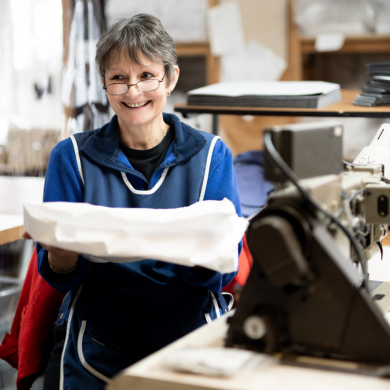
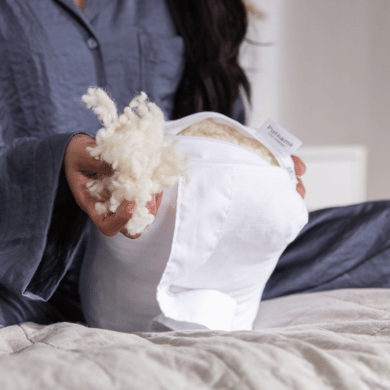
Handmade in Devon using premium, ethically sourced materials, Putnams Bed Wedge Pillows are specifically designed to reinforce nasal breathing. A medium incline of 30 to 35 degrees gently opens the respiratory tract, making it one of the most proven, non-invasive snoring aids available. For eco-conscious sleepers, the Putnams British Wool Bed Wedge offers natural temperature regulation and hypoallergenic comfort.
Optimise CPAP Therapy
For individuals diagnosed with moderate to severe sleep apnoea, continuous positive airway pressure (CPAP) therapy remains the gold standard.
However, bulky masks can make side sleeping difficult. Using dedicated CPAP Pillows allows you to sleep comfortably on your side without dislodging your mask or creating air leaks. This ergonomic support ensures your prescribed therapy works flawlessly, naturally preventing mouth leaks without the need for restrictive tape.
Improve Your Sleep Environment
Address environmental factors that trigger nasal congestion. Use HEPA air purifiers in your bedroom to remove dust mites and pollen. Switch to Natural Pillows filled with organic buckwheat hulls or British wool, which resist dust mites and promote exceptional airflow, keeping your nasal passages clear throughout the night.
See also - Future of Sleep: What Will Bedrooms Look Like in 2050?
Making the Right Choice for Your Rest
Achieving restorative sleep requires addressing the root cause of your discomfort, rather than temporarily masking the symptoms. While mouth taping for sleep offers mild benefits for a narrow demographic of snorers, the risk of respiratory distress makes it unsuitable for the general public.
True sleep optimisation stems from proper spinal alignment, a clear airway, and an ergonomic sleep environment. By investing in ethically produced, medically recommended sleep supports, you can transition to healthy nasal breathing safely and comfortably.
See also - UPDATE - Is Mouth Taping Safe for Sleep? The Truth Behind This Viral Sleep Trend
Frequently Asked Questions About Nighttime Taping
Does mouth taping cure sleep apnoea?
No. Mouth taping is not a cure or an approved medical treatment for Obstructive Sleep Apnoea (OSA). While it may lower the Apnoea-Hypopnoea Index (AHI) in individuals with very mild cases, it can be actively dangerous for those with moderate to severe OSA. Always consult a sleep specialist for a proper diagnosis.
What tape is safe to use on my mouth at night?
If approved by your doctor, you must only use porous, hypoallergenic, medical-grade tape designed specifically for human skin. Never use masking tape, duct tape, or athletic strapping, as these cause severe skin tearing, allergic reactions, and leave toxic chemical residues on the lips.
How do I train myself to nose breathe without tape?
Start with positional therapy. Transitioning from back sleeping to side sleeping naturally reduces airway collapse. Support this posture using a high-quality, firm pillow that fills the gap between your shoulder and neck. Additionally, practice daytime diaphragmatic breathing exercises to strengthen your nasal breathing habits.
Is it a Trendy Hack or a Genuine Benefit? (The Verdict)
The verdict is nuanced: Nasal breathing is a genuine health benefit, but DIY mouth taping is a trendy, potentially risky hack.
Mouth taping treats the symptom (mouth breathing) rather than the root cause (nasal obstruction or sleep apnea). If you cannot breathe comfortably through your nose for two minutes while awake, you should absolutely not tape your mouth shut while asleep.
Safer, Proven Alternatives for Better Sleep
If you want to experience the benefits of deeper sleep and reduced snoring without the risks of taping your mouth shut, consider these clinically proven alternatives:
-
Positional Therapy (Side Sleeping): Back sleeping heavily increases the likelihood of mouth breathing and snoring because gravity pulls the airway tissues down. Switching to your side keeps the airway open.
-
The Putnams Solution: Our Anti-Snore Pillows and Side Sleeping Pillows are anatomically designed to keep you comfortably positioned on your side, naturally promoting nasal breathing without the need for adhesives.
-
-
Nasal Strips or Dilators: Instead of forcing your mouth shut, try forcing your nose open. External nasal strips open the nasal passages, reducing inhalation resistance by up to 30%.
-
Address Allergies and Air Quality: Use an air purifier and hypoallergenic bedding to minimise nighttime congestion.
-
Consult a Specialist: If you snore loudly or wake up gasping for air, seek a medical evaluation for Sleep Apnea rather than relying on an internet trend.
While social media has successfully highlighted the critical importance of nasal breathing, mouth taping isn't a one-size-fits-all miracle cure.
Prioritise your safety: consult your doctor, address your nasal health, and invest in ergonomic sleep support that aligns your body for optimal breathing naturally.
Discover our range of medically-designed, British-made sleep solutions at Comfort Range


Von dem Blog
Alle anzeigen



Hinterlassen Sie einen Kommentar